Bangkok is one of those places people seem to love or hate. I happen to love it. It’s the first place I ever visited in Southeast Asia. A stunning blend of glittering temples, towering skyscrapers, narrow canals and delicious food! This four-day itinerary will help you experience the best of the Thai capital.
Day 1: Chinatown food tour
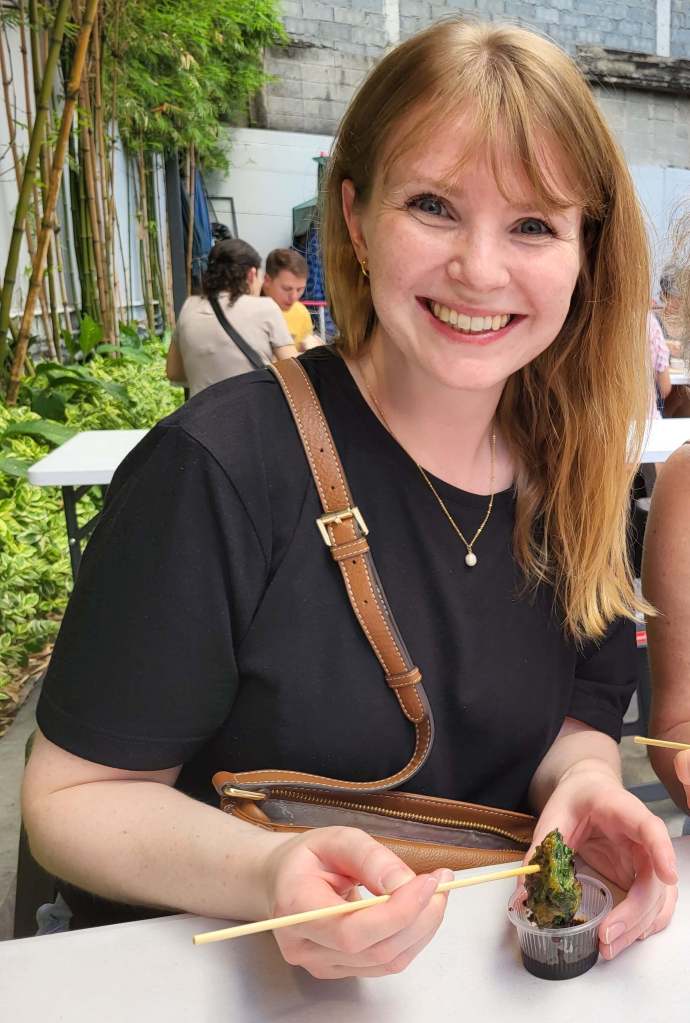
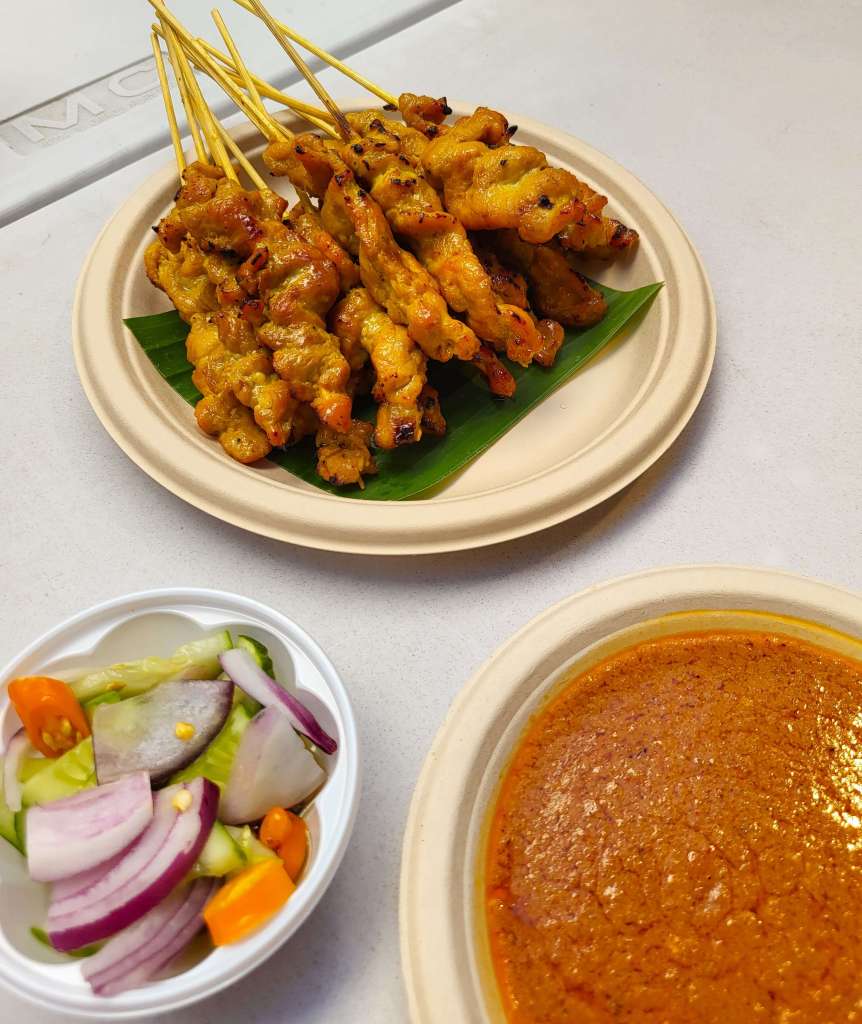
After dropping your bags at your accommodation, head straight out to Chinatown. This buzzing area is the perfect introduction to the fast-paced energy of Bangkok. If it’s your first time in Thailand, a food tour is a great way try staple dishes and learn about the local history. There are plenty of tours to choose from or you can make a list and enjoy a do-it-yourself exploration of Yaowarat Road and the maze of alleys. Snack on coconut-milk marinated chicken skewers dipped in rich peanut satay, sip vivid green pennywort juice and don’t leave before you’ve tried the beloved Thai dessert – Mango Sticky Rice.


Day 2: Palace, temples and afternoon tea by the river
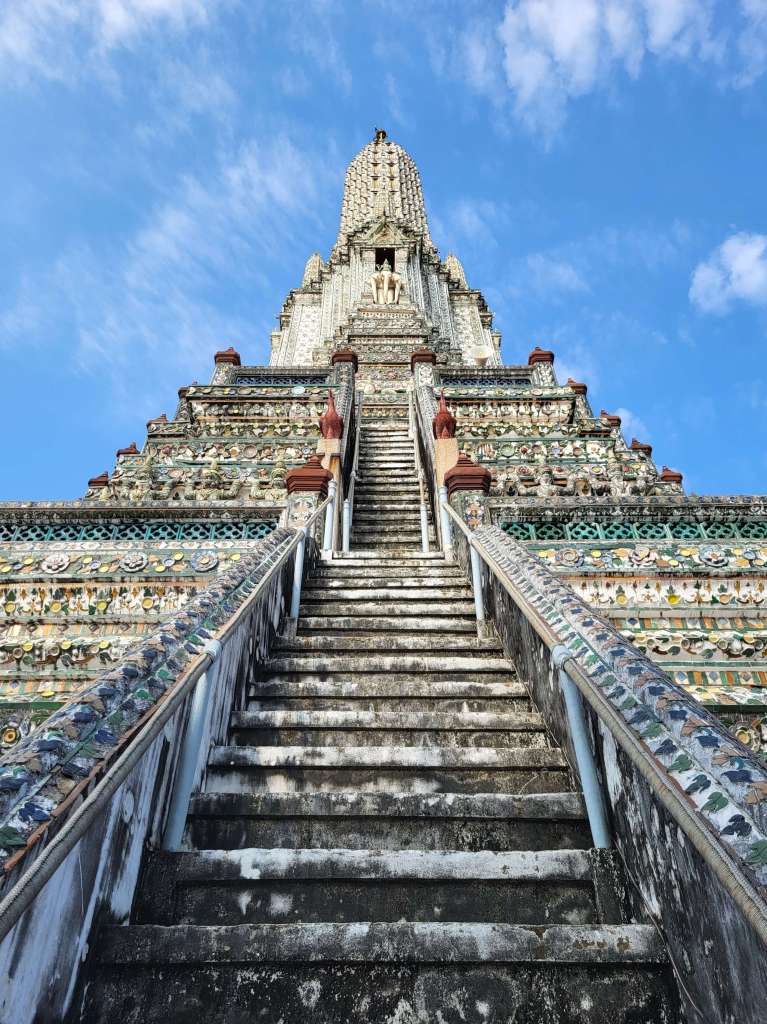
Wake up early and take a Grab to Wat Arun, the Temple of the Dawn. Standing on the banks of the Chao Phraya River, the striking white stupa is covered with delicate floral mosaics. It’s especially gorgeous in the morning light. Open daily from 8am-6pm, tickets cost 100B. It’s worth arriving for opening time to make the most of your morning and enjoy the calming atmosphere before the crowds arrive.
Take the ferry across the river to explore the Grand Palace and Wat Pho. The Grand Palace, built in 1782 is one of Bangkok’s most beautiful and significant sites. The intricate details of rich colours on the walls are simply stunning. Visit the ordination hall where you’ll find the famous Emerald Buddha, which is actually carved from jade. Open daily from 8:30am-3:30pm. Tickets cost 500B.
Your ticket includes entry to Wat Phra Kaew and the Queen Sirikit Museum. The palace entry is through the clearly marked third gate from the river pier. Tickets are purchased inside the complex.
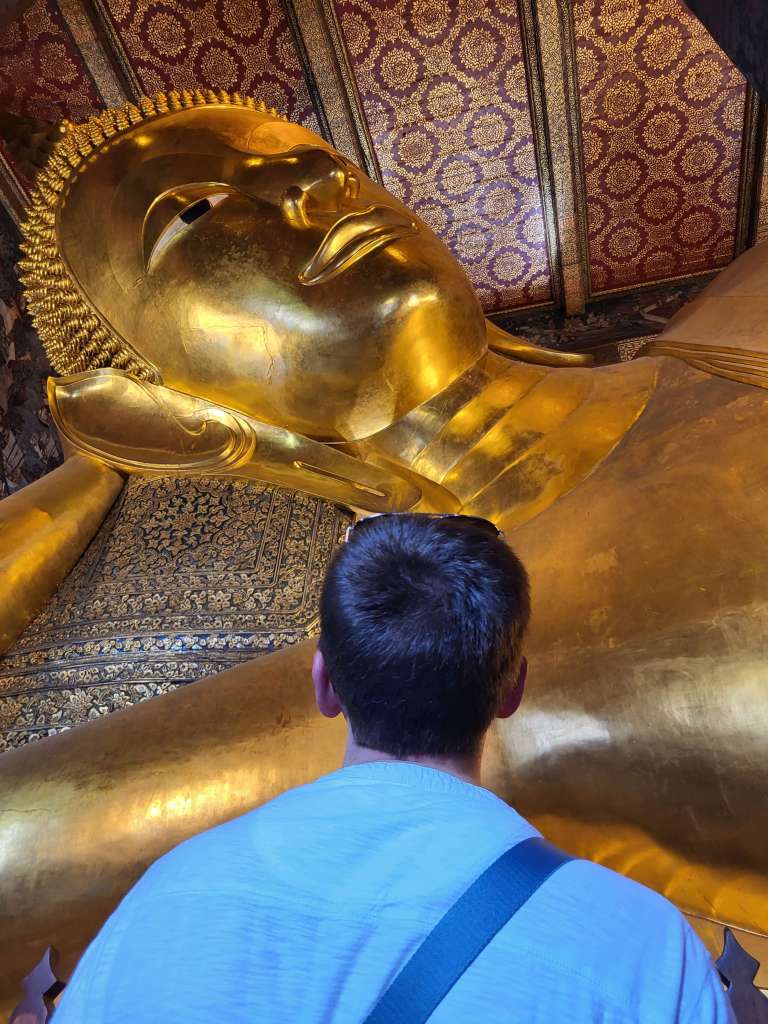
Next door, explore Wat Pho, known for the Reclining Buddha, an incredible 46m long and 15m high golden statue, with intricate mother-of-pearl inlays of the soles of its feet. Everyone wants to see this masterpiece and I promise it’s worth braving the crowds for.
Open daily from 8:30am-6:30pm. Tickets cost 200B


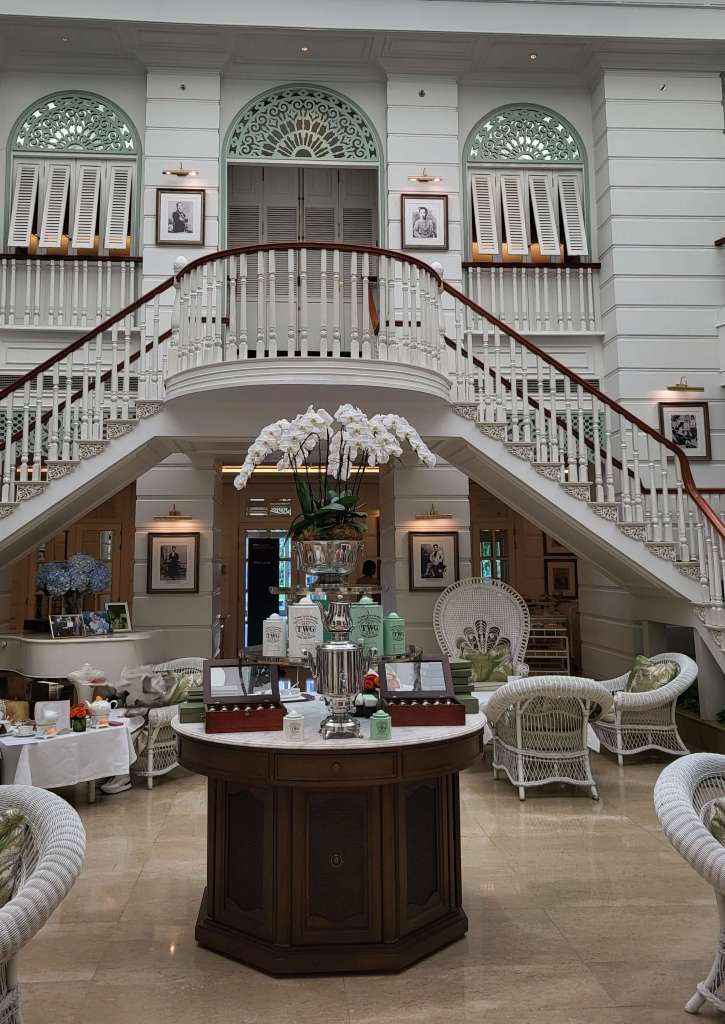
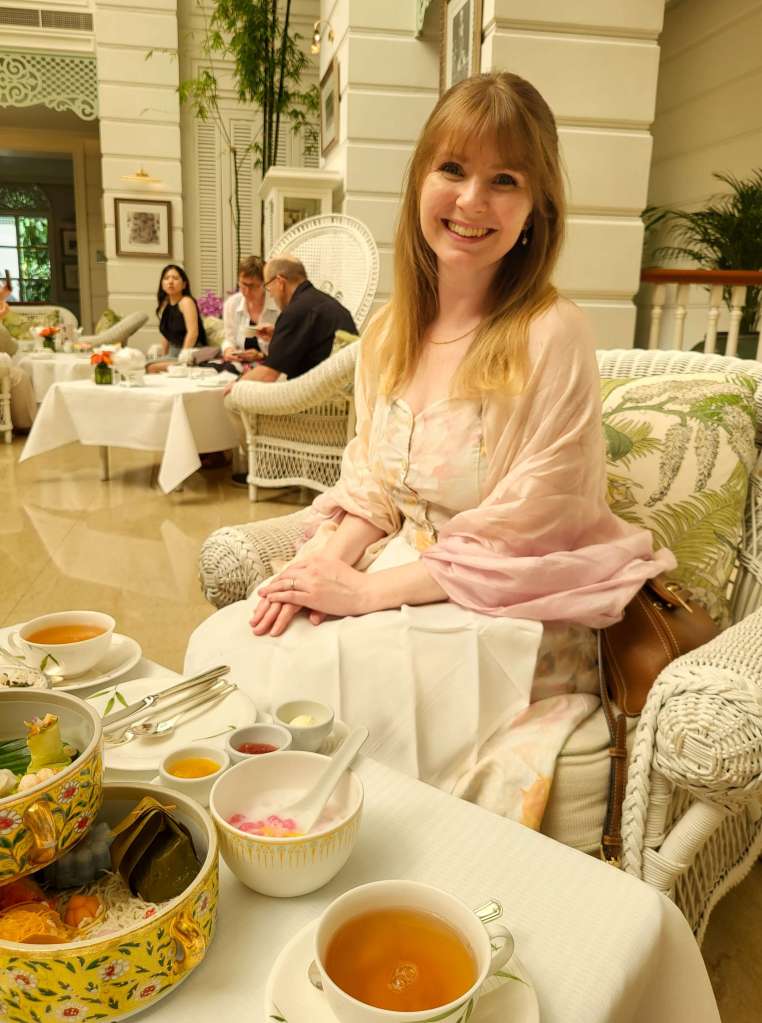
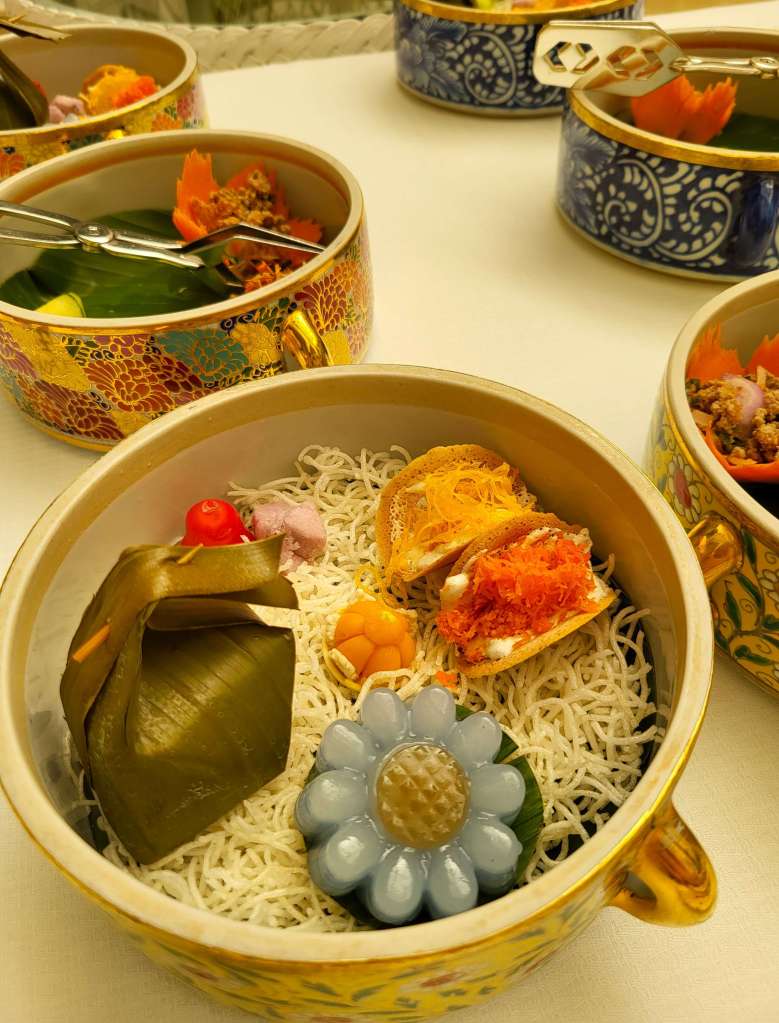
Freshen up at your hotel then make your way to the Mandarin Oriental for a delicious afternoon tea at The Author’s Lounge. This iconic lounge is beautifully designed with wicker furniture, hand-painted fabrics and framed photos of the many famous writers who have stayed at the hotel. The menu is seasonal and comes impeccably presented in gorgeous, colourful dishes. Start with savoury small bites showcasing vibrant flavours such as lemongrass, jasmine, spicy duck, crispy shrimp and Thai herbs. Follow with delicate sweets like butterfly pea layer cake, mung bean marzipan and freshly baked scones and homemade jams. Such an indulgent treat!


Take a Grab or hop on the ferry to Asiatique The Riverfront, a lively dining, shopping and entertainment hub. Arrive in time to catch a golden sunset over the Chao Phraya River from the bustling boardwalk. Browse the boutiques and stalls before heading upstairs for the brilliant Calypso Cabaret show. Flamboyant costumes, glamour and glitter galore, it’s the perfect end to your day in Bangkok.
Day 3: Discover Ayutthaya
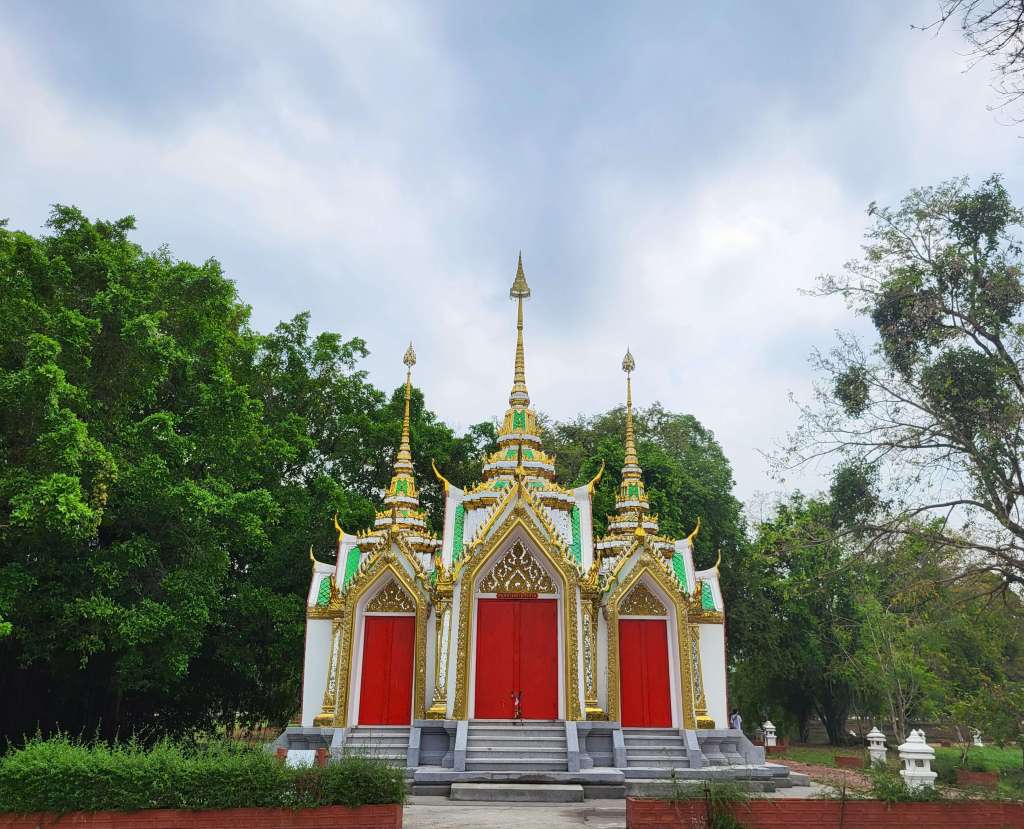
Just over an hour from Bangkok lies Ayutthaya, the former capital of Siam and a UNESCO World Heritage Site. Founded in 1350, it was once a kingdom of fabulous wealth with glittering golden temples. That all came to an end when much of the city was destroyed by a Burmese invasion in 1767. The capital relocated to present-day Bangkok and Ayutthaya was largely forgotten. Today you can wander among atmospheric temple ruins.
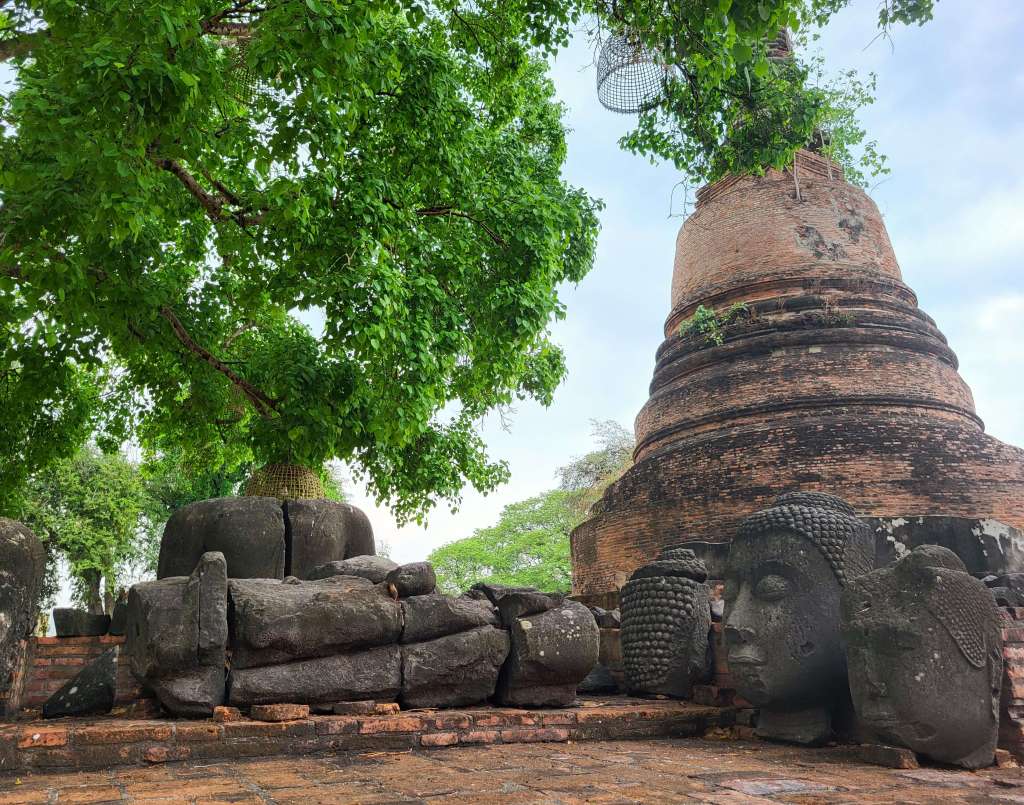
Wat Phra Mahathat
If you search for this temple (or Ayutthaya in general) you’ve probably seen the Buddha head entwined in tree roots.
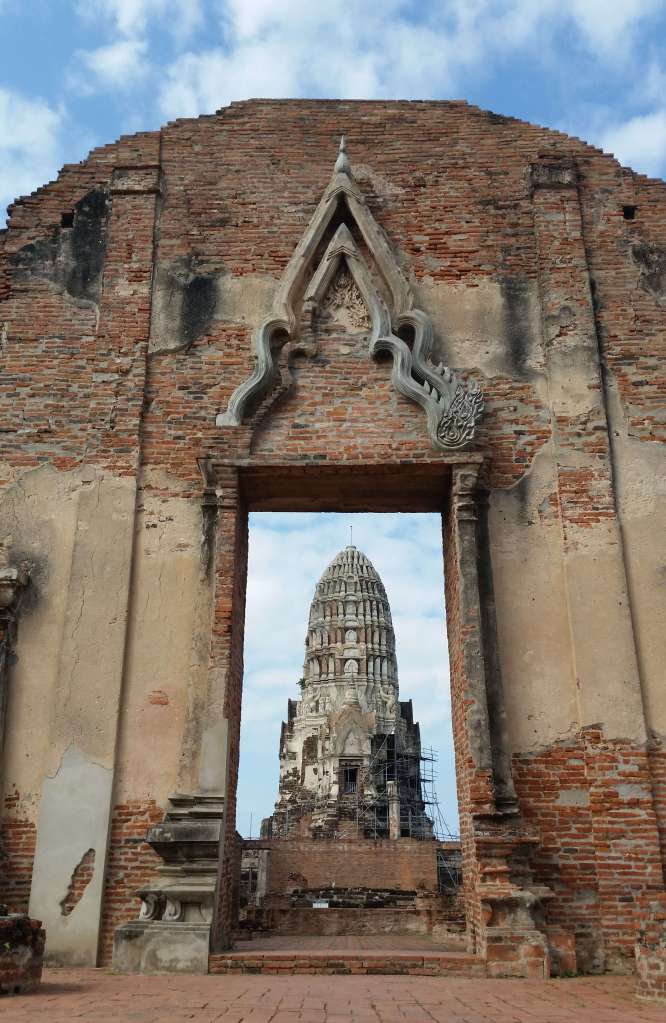
Wat Ratchaburana
Known for its impressive prang (Khmer style stupa) is covered with intricate patterns.
Wat Phra Si Sanphet
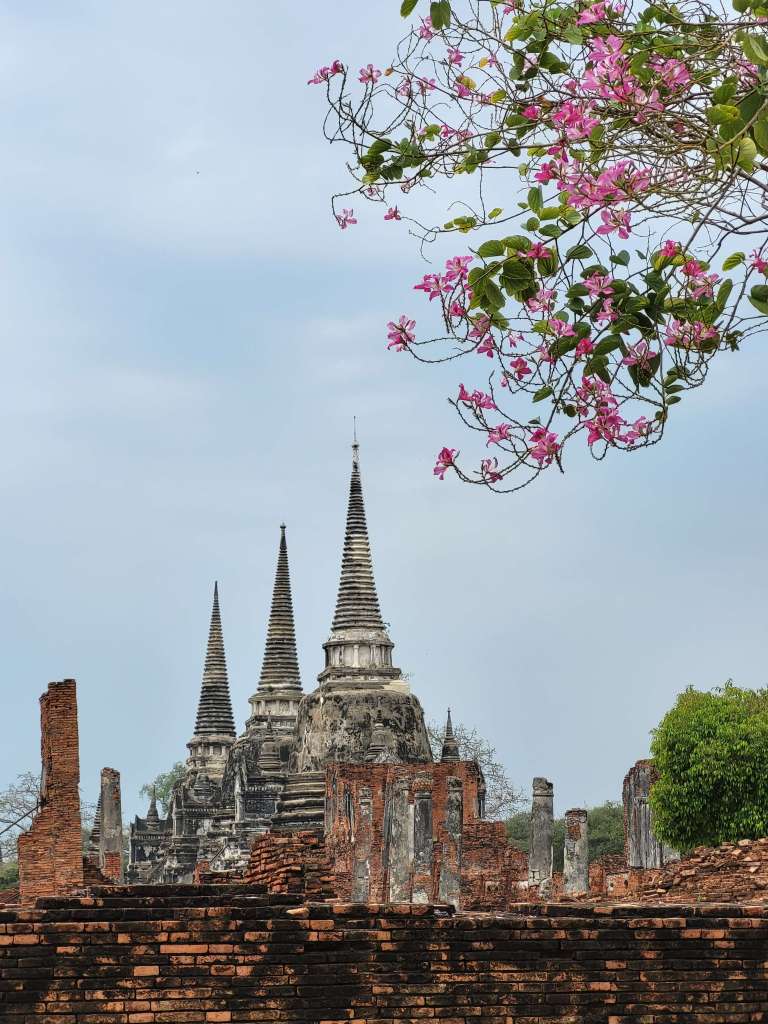
Three iconic stupas that were once covered in gold.
Just to note that Elephant riding is still offered at the edge of the Historical Park. This is very harmful to the wellbeing of this incredible animals. Please do not take an elephant ride here or anywhere else.
There are a few options to get to Ayutthaya:
Option 1: Take the train
It’s inexpensive, scenic and a bit of an adventure. Hualamphong, Bangkok’s main railway station has regular trains to the ruined city taking 1 hour 30 minutes to 2 hours 30 minutes.
Option 2: Book a Grab
Pre order your Grab to collect you at 6am, allowing you to arrive at the ancient city for sunrise. The sites won’t be open yet but you can wander around outside the complex walls.
Option 3: Buses
Leave from Rangsit, Victory Monument and Mo Chit taking between 45 minutes to 1 hour 30 minutes.
Option 4: Book a guided day tour
Most expensive option and not flexible (unless you go private) but a great option for a hassle-free experience.



Day 4: Markets, gardens & rooftop views
If you’re here at the weekend you could explore Chatuchak Weekend Market. It’s massive, so wear comfy shoes and bring cash. You’ll find everything from handmade crafts to vintage fashion. If you’re not in Bangkok for the weekend and you love gardens explore the Queen Sirikit Park. This peaceful garden is filled with flowers and mini-islands.
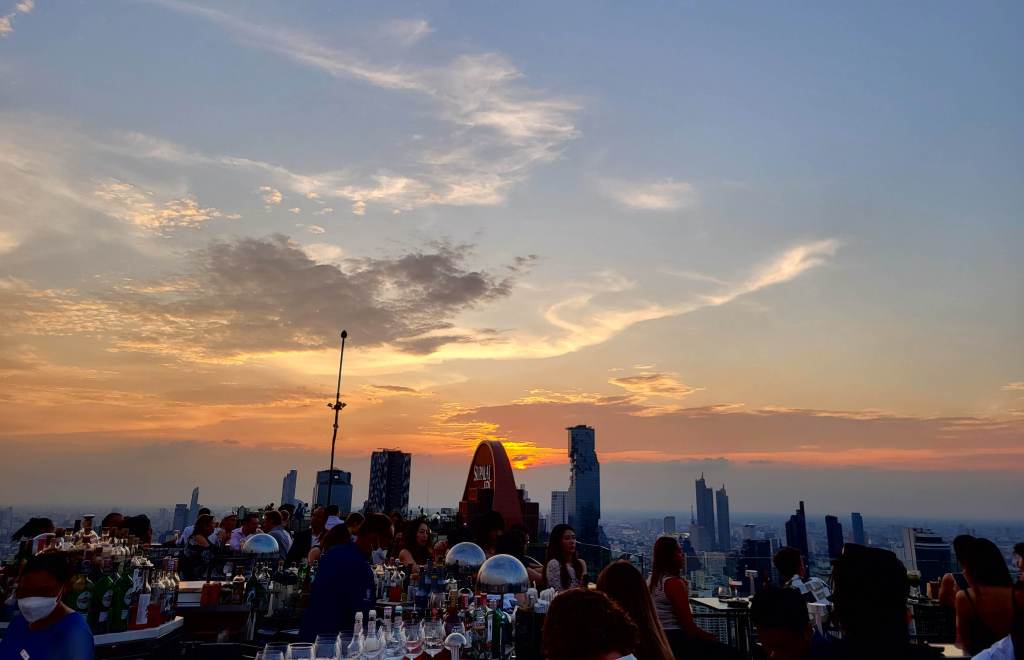
Bangkok has some amazing sunsets and there’s no better way to watch them than from one of the city’s rooftop bars. Moon Bar, perched on the 61st floor of the Banyan Tree Hotel is one of the highest alfresco bars in the world. It opens at 5pm and it’s best to arrive early to get a table as it gets very busy. You’ll pay a cover charge which is redeemable as a voucher for drinks. Choose a cocktail and take in stunning views over the glittering city.



Where to stay
Here are some spots to base yourself for your Bangkok adventure.
Siam Square – for shopping and modern vibe
If you love shopping, Siam Square is a great option. This big shopping district is set around Siam Square, studded with modern hotels. You’ll also find the historic Jim Thompson House tucked down a quiet lane. With BTS stops at Siam and Chit Lom, it’s easy to get around and explore other parts of the city.
Riverside – for high-end stays and scenic views
The Riverside area offers some of the city’s classiest hotels with amazing views – especially at sunset. Perfect for stylish stays, fine dining, and relaxed evenings by the water.
Banglamphu & Khao San Road – for backpackers and partygoers
Banglamphu is home to the world-famous Khao San Road. While it’s losing some of its backpacker-only vibe, it’s still an iconic street for lively nightlife. You are also conveniently located to explore Chinatown, the Grand Palace and Wat Pho.
Chinatown – for a lively atmosphere and LOTS of food
With plenty of budget and midrange accommodation options, Chinatown is a popular place to stay. It’s well-placed for exploring the city and has good access to transport, though not directly served by the BTS. The main benefit to staying here is you’re perfectly located to enjoy the food.
Ratanakosin – the historic heart of Bangkok
Explore the city’s iconic landmarks, including the Grand Palace, Wat Pho, and Wat Arun. Close to Chinatown, this area isn’t served by the BTS, so you’ll need to get around via tuk-tuk, Grab, or ferry.
Silom – great transport connections
Just south of Siam, Silom is primarily a business district, but that brings good hotel options and convenient access to both BTS and MRT lines, making it a practical base for exploring the city.
Sukhumvit – dining, entertainment and nightlife
This bustling commercial and entertainment district has a wide range of dining options, bars, and nightlife. It’s ideal if you’re looking for a lively area with easy transport connections.
How to get around
Bangkok’s transport options are varied, cheap, and (mostly) efficient.
Airport Rail Link (ARL)
A fast and budget-friendly way to reach the city from Suvarnabhumi Airport.
BTS Skytrain & MRT Metro
These public transport systems are the most affordable way to get around the city. Keep in mind they are two separate transit operations with different tickets. It’s easy to purchase tickets from machines within the stations. Signposts are in English and Thai so it’s really easy to navigate.
Grab
Asia’s popular ride-hailing app works just like Uber, offering transparent pricing and card payment via the app. You’ll need Wi-Fi or an eSIM for it to work.
Taxis
All should be metered with fares starting at 40B to cover the first km. Some drivers might push for inflated fixed prices so many people prefer to use Grab.
Boats & Ferries
Exploring the Chao Phraya River and Bangkok’s surrounding canals is a fun way to see the city. Take short hops between temple visits or spend more to enjoy sunset cruises.
Little Amy Tours @littleamytours
 Little Amy Tours