
Hoi An’s Ancient Town will make you feel like you’ve stepped back in time. Get lost in the narrow streets of shops covered in delicate lanterns and flowers.
Nestled on the coast of central Vietnam, Hoi An is famous for its beautifully preserved old town, set against a backdrop of pretty countryside and lovely sandy beaches. You’ll definitely want to spend some extra time here.
Exploring Hoi An’s Ancient Town
Once a busy trading port on the banks of the Thu Bon River between the 15th and 19th centuries, Hoi An’s Ancient Town is now a UNESCO World Heritage site, hosting a striking mix of Vietnamese, Chinese, Japanese and European architecture.
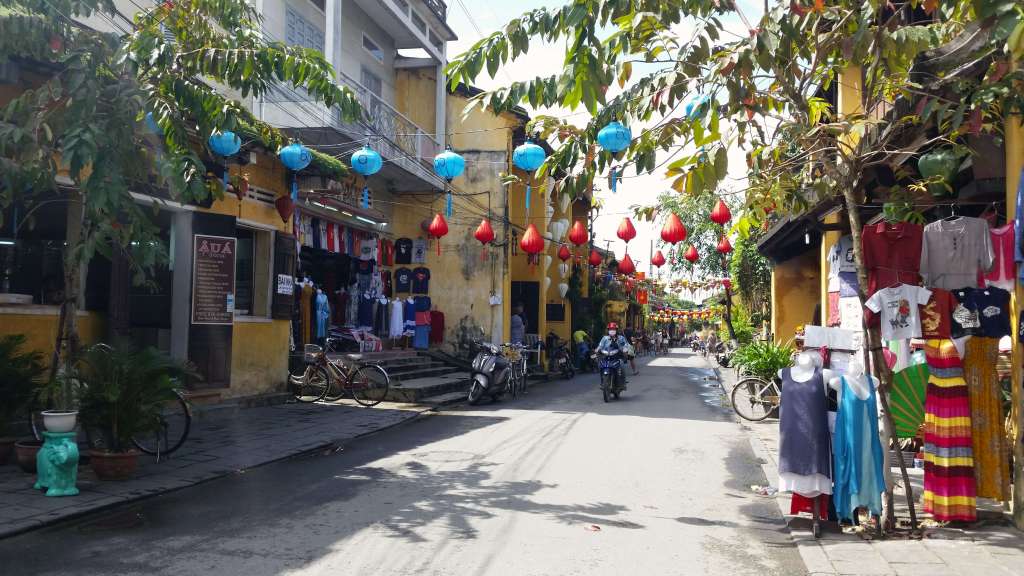
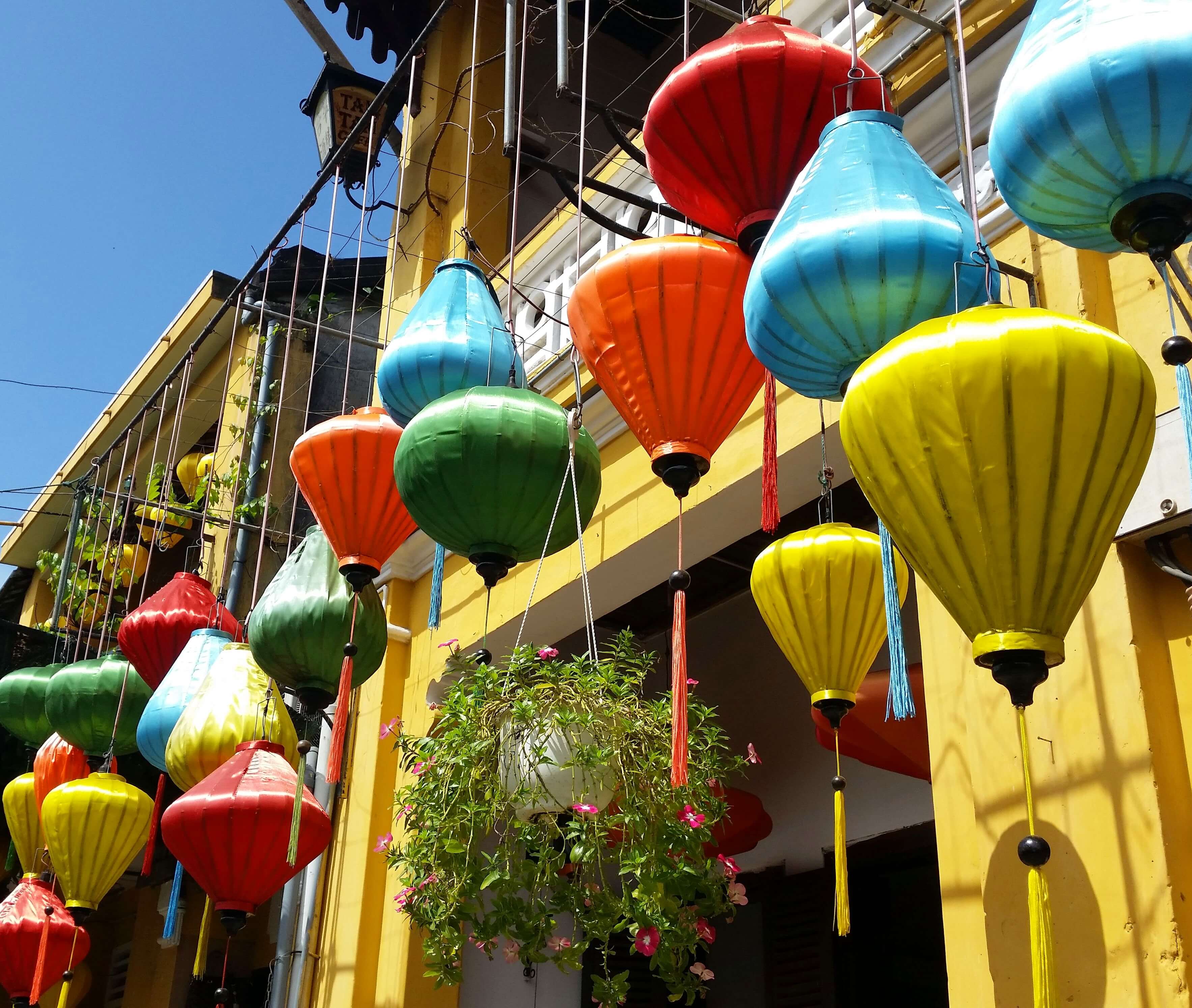
During the day, get lost in a maze of canary-yellow buildings covered in flowers and streets strung with colourful lanterns. Arrive early in the morning to enjoy quiet streets before the crowds arrive. Explore charming shops, beautiful temples and cosy cafes. Hoi An is famous for its talented tailors, you can also get stunning custom-made dresses, suits and shoes.
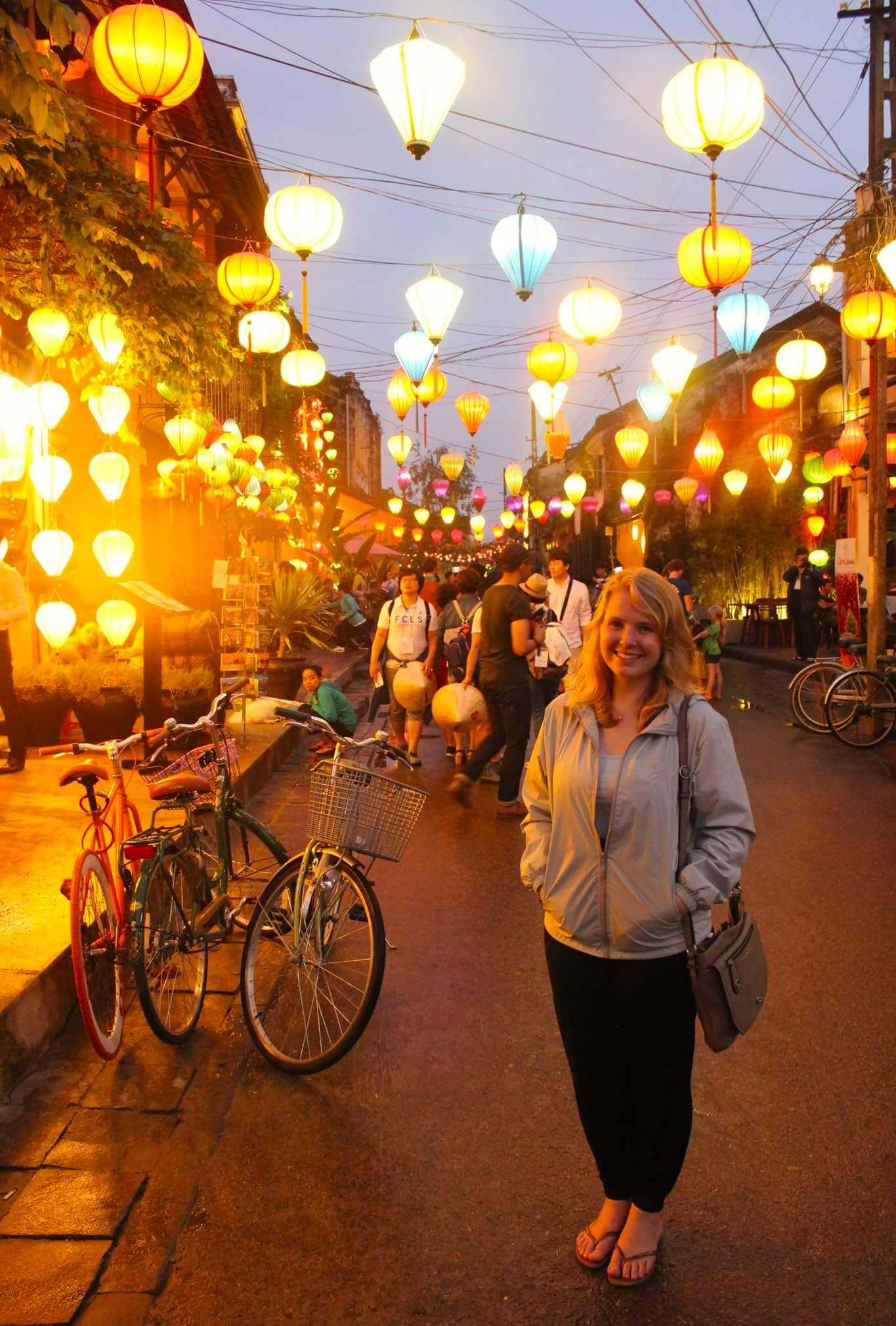
When the sun sets, the town glows under the light of hundreds of lanterns. Despite the hustle and bustle, it’s magical. Take your time wandering around.
Historic Sites
You’ll need a Hoi An Old Town entrance ticket (120,000 VND) to walk around the town and visit the historic sites. Tickets are easy to pick up at information offices or little yellow stalls dotted around town. The fee goes towards preserving the town and gives you entry to your choice of 5 out of 20 heritage attractions. If you’re keen to see them all, you’ll need to purchase extra tickets.
Japanese Covered Bridge
Built in the 16th century, this small wooden bridge is one of the Ancient Town’s most iconic landmarks, decorated with intricate carvings. It was designed to connect Hoi An’s Japanese community with the Chinese quarters across the small canal.
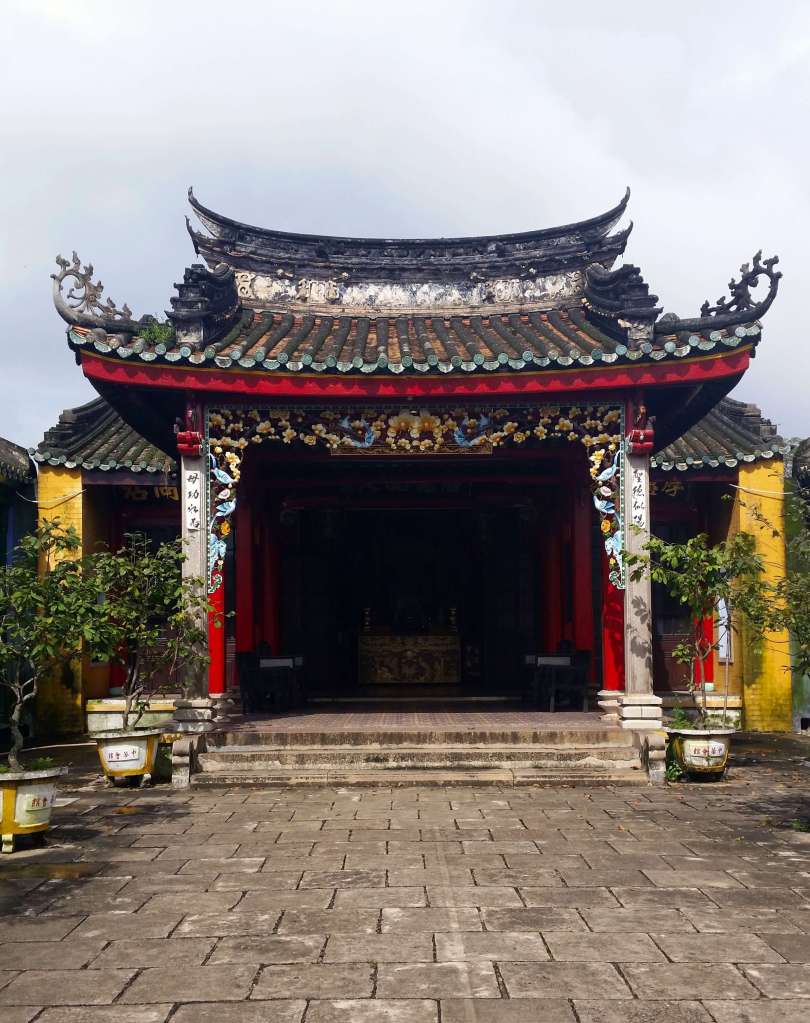
Fujian Assembly Hall (Hoi Quan Phuoc Kien)
This fabulous pink building was built in 1690 is home to beautiful statues and delicate carvings of dragons.
Temple etiquette: remove your shoes and keep shoulders and knees covered.
Old House of Tan Ky
Built in 1741, this beloved house has been in the same family for seven generations.



Exploring beyond Ancient Town
While Ancient Town is incredible, there’s so much more to discover.
Rent a bike
The surrounding countryside is perfect to explore by bike. Cycle past rice paddies that stretch out beneath the mountains.
Visit Hoi An central market
Discover food stalls of fresh fruit, vegetables, fish and meat as well as handicrafts and flowers. The market opens daily from early morning into the evening. The busiest time is 6-8am before people head to work.
Spend a day at the beach
Beaches are probably not the first thing on your mind when you think of Hoi An, but the coast is just a short trip away and well worth adding to your itinerary. An Bang Beach is 5km from Ancient Town with golden sands, gentle waves, and a laid-back atmosphere. There are plenty of places to grab and drink or food with oceanfront views.
Getting here is easy – Grabs are affordable, or you can cycle. If you eat at one of the restaurants, they’ll usually let you leave your bike while you relax at the beach.
Trip to Da Nang
Visit the famous Dragon Bridge and Cao Dai temple.
Grabs and taxis are easy to arrange to get here.
My Son Ruins
These Hindu temple ruins are just over an hour away.
To get there you could join a day tour or if you’re confident, take a motorbike.
Eating and drinking
The hype around food in Hoi An is completely justified. From mobile carts to upscale restaurants, it’s one of the best places to enjoy Vietnamese classics. There are some local specialities which you cannot miss.
Must-tries
Cao Lau
Hoi An’s signature dish should be at the top of your list of dishes to try. Thick, chewy rice noodles, slices of bbq pork, bean sprouts, leafy greens and crispy fried noodles, often topped with fresh herbs and a savoury sauce.
White Rose Dumplings
Delicate and beautifully crafted dumplings made from translucent rice flour wrappers and filled with prawns or pork, wrapped up to resemble a blooming rose. Fried shallots are sprinkled on top for a delicious crunch. The famous White Rose Restaurant hand-makes all the dumplings for the town.
Mi Quang
Steamed rice noodles served with a choice of prawns, pork, or chicken. Often garnished with fresh herbs, peanuts and crunchy rice crackers.
Com Ga
As known as Hoi An chicken rice, this is a simple but comforting dish. Tender poached or roasted chicken is accompanied by fragrant yellow rice, fresh mint, shredded papaya and sliced onions. Add a squeeze of lime or touch of chili to make this dish your own.
Cooking classes
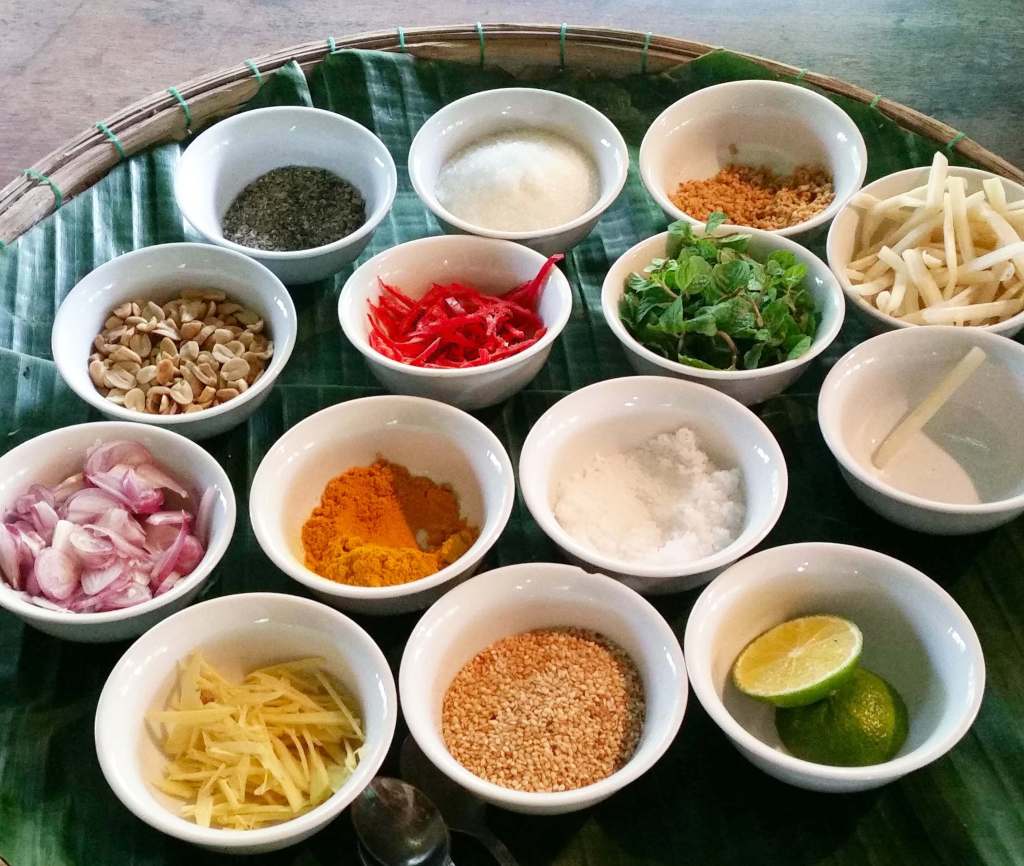
There are plenty of classes on offer around Hoi An. Morning classes typically start by visit the market first to learn about the ingredients.
On my last visit, I attended a class at Red Bridge Cooking School. The day started with a guided tour of the market, where our guide provided an in-depth explanation of the ingredients and tips on how to check that meat and seafood were fresh – far more in depth than my previous cooking classes.
From the market, it’s a scenic 20-minute ride down the river to the cooking school, nestled in beautiful gardens overlooking the river. After a welcome drink, we explored the herb garden – it was fascinating to see peanuts growing on the plant as we just take them for granted.
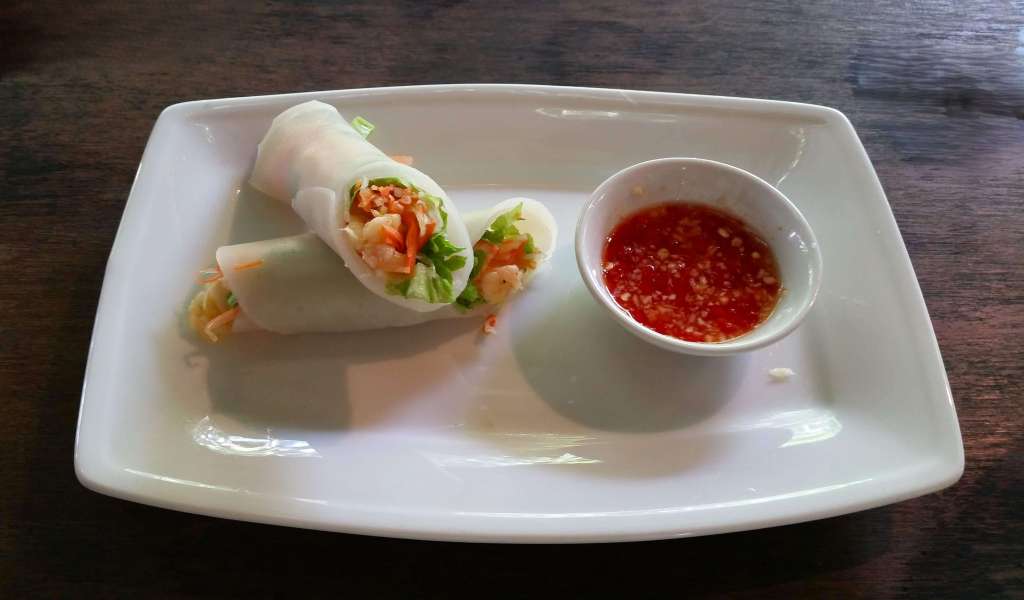
Then it was time to cook. We were given our own a recipe book at the start for adding notes as we went along. During the class, we prepared bahn xeo (a savoury pancake), fresh spring rolls, chili sauce, beef soup, and a salad. My personal favourite was making the fresh spring rolls from scratch, including preparing the rice paper.


Where to stay
As you would expect from a busy tourist hotspot there are plenty of accommodation options to choose from.
Ancient Town
Staying near Ancient Town gives you easy access to the lantern-lit streets, historic architecture, markets, and cafés, allowing you to make the most of your time exploring on foot.
Countryside
If you prefer a quieter setting, accommodations on the outskirts provide a relaxing experience amid the peaceful rice fields. While these locations are a longer walk from the town centre, Grabs are available to drop you as close as possible to Ancient Town.
Beach
Consider a beachfront stay for golden sand, relaxed atmosphere and scenic surroundings. The beaches are about a 45-minute walk, a 15-minute cycle, or a short taxi ride from Ancient Town. Many accommodations offer bike rentals, making it easy to explore both the coastline and the countryside.
How to get to Hoi An
Arriving by air
The nearest airport to Hoi An is Da Nang International Airport, about a one hour flight from Hanoi or Ho Chi Minh. It’s about a 40 minute drive from the airport to the Hoi An. Some accommodations can arrange private transfers or shuttle buses or you can take a Grab for between 300,000 to 450,000 VND for a one-way journey.
Arriving by train
The closest train station is also in Da Nang. Rides also take about 40 minutes so you can expect similar costs to the airport.
How to get around
Transport within the Ancient Town
Cars are not allowed inside the town and will drop you off outside. Exploring by foot is easy as the town is so compact.
Grab
If you’re staying outside Ancient Town an easy way to travel in is by Grab. Asia’s popular ride-hailing app works just like Uber, making it easy to see exactly how much your journey will cost. You can also pay by card through the app so you don’t have to worry about carrying cash. This is why Grab has become so popular over taking taxis. While you don’t need a local phone number, the app does require internet to function. I recommend getting a local SIM on downloading an eSIM as it’s easier than trying to find Wi-Fi.
Bikes
Pedalling through the countryside is one of the best ways to explore and the ride between the beaches and Ancient Town is quick and easy. Many accommodations offer bike hire for a small fee.

Final tips
Before you set off for Hoi An, here are a few extra tips to make your trip a little easier.
Scams
Tourist scams can include fake goods, inflated prices, or misleading offers. Trust your instincts and don’t be afraid to walk away.
Belongings
Like in any busy tourist spot, pickpocketing can happen. Keep valuables out of sight and your bag close to you.
Local customs
Remember that cultural norms may be very different from home. Dress modestly, especially when visiting temples or other religious sites.
Always carry cash
While some places take cards, many restaurants, street food stalls, public toilets and shops only take cash.
Visited December 2016


 Little Amy Tours
4 Comments Add yours